




 Inglés (pdf)
 Articulo en XML
 Referencias del artículo
 Traducción automática
 Enviar articulo por email
 Citado por SciELO
  Similares en
SciELO
Similares en
SciELO 
 Permalink
Introduction
In Bolivia, agriculture is one of the most significant sectors of the economy, contributing 13% to the GDP and accounting for approximately 30% of total employment (The Atlas of Economic Complexity, 2020). Bolivia has been intensely affected by environmental changes, ranging from the extraction of natural resources, deforestation, excessive use of chemicals leading to deteriorating soils, to water contamination and extreme weather changes (IFAD Bolivia, 2023). A big part of the population is exposed to floods and droughts, with around 40% living in flood-prone zones and more than 16% living in drought-prone areas (World Bank Group, 2017). These en vironmental challenges disproportionately affect sensitive groups, such as small-scale producers, and push marginalized communities beyond their ability to respond adequately (Velarde, 2021).
This study examines how small-scale farmers in Florida, Santa Cruz, are affected by and adapt to changes in climate, markets, and prices. Grounded in the frameworks of political ecology (Bryant & Bailey, 1997; Robbins, 2011; Wisner et al., 2004), political economy (Bernstein, 2017), and risk and vulnerability research (Turner et al., 2003; Cutter et al., 2003), it explores the structural and environmental factors shaping farmers' resilience.
Current agricultural outcomes are highly impacted by extreme weather events, including temperature fluctuations, irregular rainfall, and crop diseases spread by insects (Daga, 2020; Skendžić et al., 2021). Droughts, frosts, and excessive or insufficient rainfall have been shown to severely affect agricultural yields in Bolivia (Daga, 2020). Rising temperatures allow insects to survive through winter, increasing their numbers, spreading invasive species, and accelerating disease transmission in crops (Skendžić et al., 2021).
Building on Morton (2007), which highlights environmental shocks and market volatility as key risks for smallholder farmers, we incorporate Osiemo et al. (2021) to refine the concept: environmental and price risks are understood not only through physical exposure but also through how farmers perceive the threat in terms of severity and controllability, which in turn shape their sense of future security and choice of mitigation strategies.
Farmers with limited resources are particularly vulnerable to poverty traps caused by climate shocks, underscoring the importance of asset availability and local poverty levels in shaping recovery and long-term sustainability (Heltberg et al., 2009; Rahman & Hickey, 2020). Additionally, economic constraints limit farmers' ability to manage new and recurring pests, a challenge that contrasts with findings from Tanzania, where wealthier farmers are more likely to invest in fertilizers to counteract agricultural risks (Heisse & Morimoto, 2023).
When analyzing risk, the focus moves beyond an exposure-focused, hazard-centric view that links vulnerability solely to proximity to natural hazards. Instead, the analysis considers the unequal distribution and intersection of risks, as discussed by Faas (2016). This also involves shifting from policy-oriented perspectives that often apply vulnerability uncritically, prioritizing mitigation over addressing its root causes in climate change (Oliver-Smith 2013; Faas 2016).
Inspired by a political ecological approach, both the natural and socioeconomic risks and vulnerabilities that small-scale farmers face are considered. In their definition of political ecology, Bryant & Bailey (1997) identify how the consequences of environmental change are allocated unequally between different social groups, which has political implications by altering the flexibility and power (to adapt) among actors (Robbins 2011; Wisner et al. 2004).
The PAR model emphasizes that disasters emerge from the interaction of social, political, and economic structures with environmental hazards, which produce uneven levels of risk across groups (Faas, 2016; Wisner et al., 2004). In this framework, risk is understood as the outcome of the hazard itself, combined with the vulnerability of those exposed. This model highlights how social groups face distinct vulnerabilities stemming from varying levels of exposure, influenced by factors such as class and ethnicity (Turner et al., 2003).
Unequal vulnerabilities emerge from long-term social, political, and economic processes that structure human environment relationships, often forcing marginalized groups into hazardous areas with limited coping capacity (Wisner et al., 2004; Faas, 2016). This will therefore allow us to research our problem statement from different levels, emphasizing how they intersect within risk and vulnerability frameworks, two central concerns within political ecology (Wescoat, 2015).
Guided by Marxist theories, Bernstein (2017) emphasizes that political economy revolves around social relations and the dynamics of production and reproduction. Marx further underscored the role of land ownership in shaping class divisions among peasants, as variations in landholdings reinforce economic disparities within rural economies.
Situated within political ecology, this study applies a vulnerability framework to analyze how risks and hazards affect marginalized groups. Turner et al. (2003) define vulnerability as a system's likelihood of harm when exposed to hazards, while Cutter et al. (2003) describe it as a susceptibility to harm (see also Adger, 2006; Faas, 2016). Focusing on vulnerability highlights the unequal impact of disasters on marginalized groups and their capacity to adapt and recover (Faas, 2016). Economic conditions worsen with local and national disruptions, as income shocks and policies threaten wealth, well-being, and smaller market participants (Naude et al., 2012).
The research is structured around two main vulnerability models: the Risk-Hazard (RH) Model, which examines vulnerability based on exposure to hazards, and the Pressure-and-Release (PAR) Model, which considers social, economic, and political factors that shape vulnerability (Turner etal., 2003).
Research has shown that historical processes have created unequal vulnerability conditions intertwined with human-environment relationships (Marino, 2015; Faas, 2016). Marginalized groups are disproportionately affected, as they are more likely to live in hazardous areas with fewer resources to cope (Faas, 2016). By incorporating these perspectives, this study explores risk and vulnerability frameworks within political ecology, emphasizing how environmental and economic risks intersect (Wescoat, 2015).
Method
This study uses a mixed-methods approach to examine how small-scale farmers in Florida Province, in the Bolivian valleys, navigate climate and market risks. Through fieldwork in Samaipata and Mairana, we conducted interviews, surveys, and ethnographic observations, com plemented by statistical and geospatial analysis of secondary data.
Sample
Around 30 actors were interviewed (W=20, M=10), spanning from officials (n=1), to small farmers (N=7) that owned "small-scale" lands ranging from 0,5 to 3 hectares, "middle-scale" farmers (4 and 6 hectares), and one owned "big-scale" land (30 hectares).
Instruments
A custom survey was conducted based on the International Handbook of Survey Methodology (De Leeuw et al., 2012) to capture their vulnerabilities and experiences amid broader market trends. The survey included questions on the impact of climate change on market dynamics, complementing insights on climate and price fluctuations. The questions were administered orally. Ethically, we purchased produce from female sellers during our informal interviews as a gesture of gratitude and reciprocity.
The report includes cross-sectional and panel regressions along with graphs depicting changes in price volatility, temperature variations, price indices, and government involvement in agricultural activities. The modeling followed standard quantitative methods focusing on regression analysis, data integration, and the use of aggregated variables (De Mesquita & Fowler, 2021). To highlight changes over time, the report contains several visualization tools, such as maps (Google, n.d.), to represent the geospatial data and evolution of landscapes related to climate change (temperature, changes in the yield of production).
Procedure
During a two-week fieldwork period in Samaipata and Mairana communities in the Florida Province, Santa Cruz, Bolivia, both qualitative and quantitative methods were used to examine the issue from multiple perspectives. As Mertens (2023) highlights, mixed-methods research is valuable for addressing complex problems. Ethnographic analysis included field observations at farms and markets, participant observation, and both informal and semi-structured interviews (Spradley, 1980). The quantitative analysis was conducted using secondary data from national and regional sources that were analyzed using Excel, SPSS, STATA, AMOS, and QGIS to identify key patterns and correlations. Understanding that people interpret risks in diverse ways (Faas, 2016), we integrated qualitative insights on perceived risks and vulnerabilities.
The procedure involved three key phases: assessing the distribution of risks associated with climate change, analyzing market fluctuations at national and regional levels, and examining adaptation strategies and long-term risk diversification techniques. Interviews were recorded with the consent of the participants. Interviews and informal conversations with farmers and female vendors acted as "conversational realities", which, according to Brinkmann (2020), offer insights into how the informants experienced, felt, and acted according to their experiences.
Results
Part I. Climate change: risks and consequences
In Bolivia, current farmers' agricultural outcomes are highly affected by extreme weather shocks in temperature and rainfall, as well as insects and plant-spread diseases (Daga, 2020; Skendžić et al., 2021). This chapter outlines how climate and weather changes in Mairana, Samaipata, and surrounding areas have increased the vulnerability of small-scale farmers, evident in the heightened frequency and intensity of four key environmental risks: droughts, heavy rains, frosts, and pests.
Droughts
Daga's (2020) research on weather shocks in Bolivia additionally shows that extreme temperatures, too low temperatures, and rainfall changes have significantly harmful effects on farmers' agricultural yields.
Javier, a 21-year-old student, whose small-scale family farm was six hectares in size, discussed the growing climate risk. We met at the Abastito market, where farmers, female vendors, and middlemen trade their goods. In Javier's farm, he noted that, due to drought, they use both natural and pesticide fertilizers, and over the past decade, rising temperatures and intensified, prolonged droughts have made climate change particularly evident.
Mariela, another senior small-scale farmer, expressed that the transformation in climate and weather had been pervasive in this same period; she emphasized the need for agrochemicals in response to these changes. She lamented a recent water shortage, worsened by drying rivers from rising temperatures, that impacted her land and crops, reflecting a general rise in environmental hazards in Bolivia. As indicated on Map 1, droughts indeed affect this region.
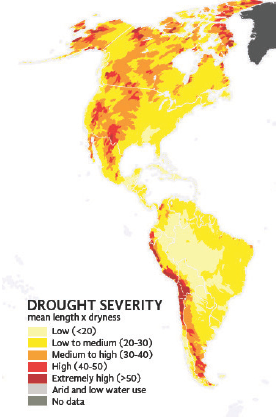
Note: Adapted from Aqueduct Global Maps 2.0: Constructing Decision-Relevant Global Water Risk Indicators by F. Gassert, M. Landis, M. Luck, P. Reig, and T. Shiao (2014), World Resources Institute (https://www.wri.org/data/aqueduct-global-maps-20).
The number of consecutive dry days is showing a clear upward trend, as illustrated in Figure 2. This indicates that dry spells are becoming longer and more frequent over time, which can have significant implications for water availability, agricultural productivity, and overall ecosystem health.
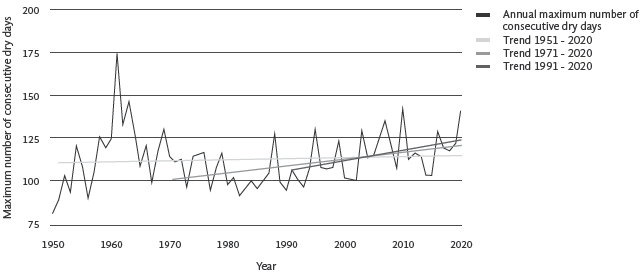
Figure 2 Maximum number of consecutive dry days Annual Trends with Significance of Trend per Decade, 1951-2020, Bolivia.
While frost days are steadily decreasing, as shown in Figure 3, this decline points to a gradual warming trend that reduces the f requency of extremely cold events. Such a shift not only alters seasonal patterns but may also influence agricultural cycles, natural vegetation, and the overall resilience of ecosystems that traditionally depend on colder conditions.
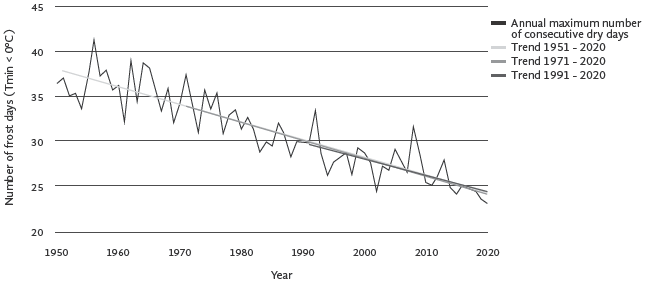
Figure 3 Number of Frost Days (Tmin <0°C) Annual Trends with Significance of Trend per Decade, 1951-2020, Bolivia. Cámara Agropecuaria del Oriente. (s.f.), Ministerio de Culturas de Bolivia. (s.f.).
A common sign of climate change is shifting surface temperatures aligned with this pat tern, confirming field observations.
Rains and frosts
This vulnerability was evident in interviewing Esteban, a 40-year-old small-scale farmer, who lost 1.5 hectares of beans, highlighting a trend of intensified precipitation. "When it rains, it's stronger now", as he said. The surrounding farms also suffered severe crop losses due to the excessive rainfall.
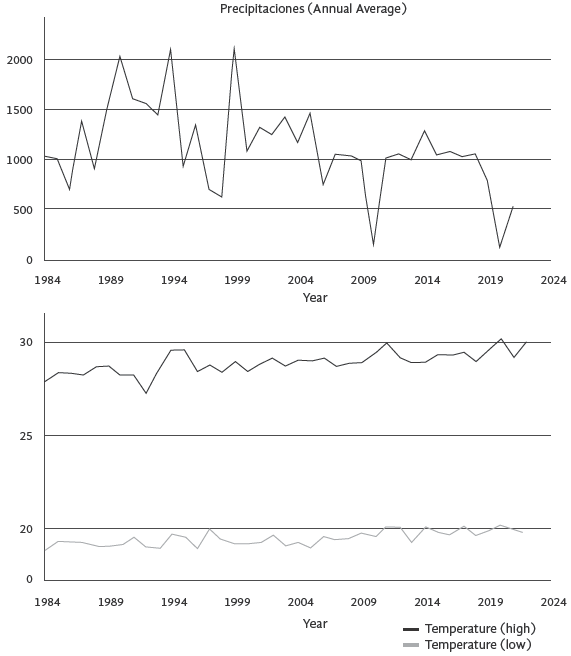
Esteban's farm in the Mairana valleys was hit by frosts, leading to increased agrochemical use. Those trends are also supported by quantitative findings. In the department of Santa Cruz. Figure 4a shows precipitation fluctuating from over 2000mm to 300mm, with an overall decline indicating drought vulnerability, and Figure 4b reveals stable low temperatures but a steady rise in highs above 30°C, suggesting a warming trend that may affect crop viability and water management.
Insects and plant pests
Javier noted the growing spread of insects and diseases, increasing the need for agrochemicals, which have been used for years but in rising amounts due to pests. Additionally, Elvira also emphasized a surge in plagues as well as the risks of intensified droughts, creating the need to apply agrochemical fertilizers. Rising temperatures help insects survive winter, increasing their numbers, invasive species, and disease spread (Skendžić et al., 2021).
Agrochemicals
All consulted small-scale farmers increasingly rely on agrochemicals, but the rising costs -Javier noted a surge from 200 to 500 bolivianos- further worsen their vulnerability to climate and economic fluctuations. In global terms, at the time of the research, these amounts are roughly equivalent to USD 29 and USD 72, respectively, at the current official exchange rate, or as low as USD 16 and USD 40 if calculated using the parallel market rate.
Héctor, another small-scale farmer, notes the necessity of agrochemicals despite rising costs to combat droughts and pests affecting peach production, highlighting the challenges in sustaining family livelihoods. As he expressed, they are "working for the belly". Unequal access to resources creates varying farmer vulnerability to climate risks. While large-scale farms stay profitable with agrochemicals and resources, small-scale farmers face uncertainty.
These cases highlight differences in rural livelihoods and vulnerability, as Turner et al. (2003) say, linking climate vulnerability, poverty, inequality, and institutional services (Eisenack et al., 2014). Poorer actors with limited resources are more prone to poverty traps from climate shocks (Heltberg et al., 2009), underscoring the need to consider asset availability and local poverty in recovery and sustainability analyses (Rahman & Hickey, 2020).
Environmental changes directly affect small-scale farmers' vulnerabilities, as seen in mai ze production. Figure 5 illustrates the impact of climate change on global food production, projecting a 5-10% decline in Bolivia's maize yield due to adverse environmental trends (Andersen et al., 2023).
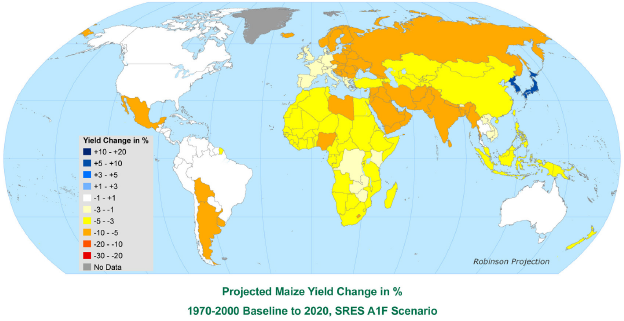
Figure 5 Effect of Climate Change on Global Food Production: Projected Maize Yield Change in %, 1970-2000 Baseline to 2020, World, Bolivia. (National Aeronautics and Space Administration, n.d.), (Na tional Aeronautics and Space Administration, n.d.)
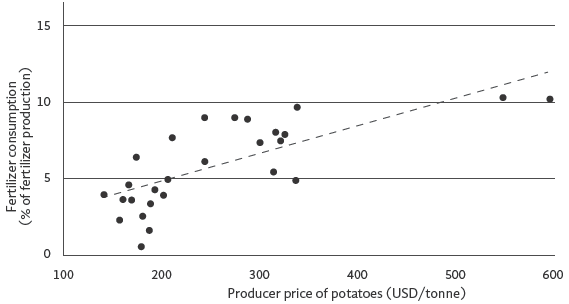
Qualitative observations highlight pressure to counter inefficiency and adopt new strategies, leading to increased fertilizer and pesticide use. The graph below shows a correlation between rising temperatures and agrochemical use, revealing an upward trend despite scattered observations.
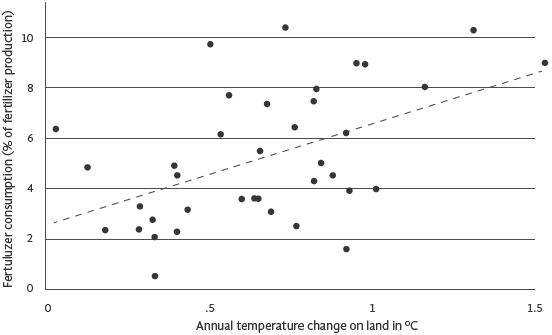
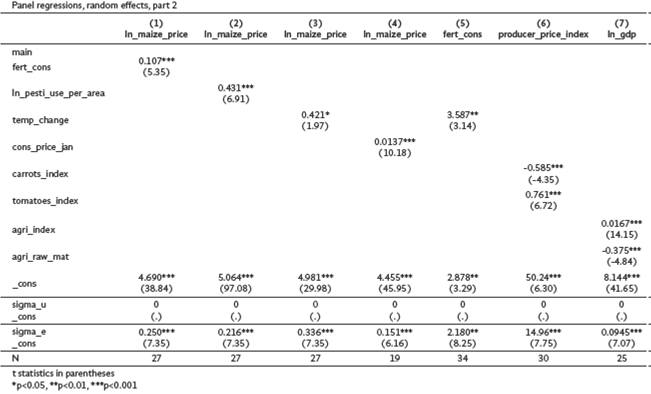
Cross-sectional and panel (Random Effects) regressions show that a 1°C temperature increase leads to a nearly 4% rise in fertilizer consumption (p < 0.01, Table 1, regression 5). Panel data confirms this with a coefficient of 3.587 (Table 4, regression 5).
Table 1 Cross-sectional regressions on the national level, 1984-2022, Bolivia, part 2. World Bank, Huma nitarian Data Exchange (s.f.); Afghanaid (s.f.); Instituto Nacional de Estadística de Bolivia (s.f.).
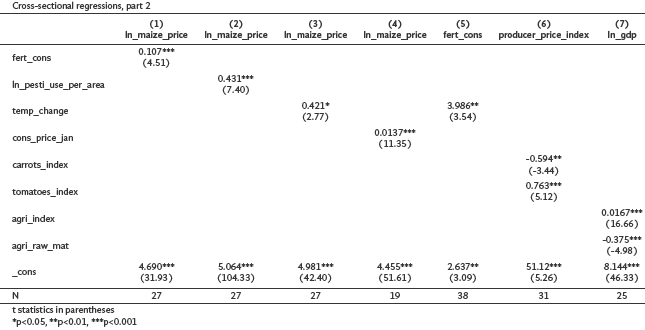
Table 2 Panel regressions, on the national level, Random Effects, 1984-2022, Bolivia, part 2. World Bank, Humanitarian Data Exchange (s.f.); Afghanaid (s.f.); Instituto Nacional de Estadística de Bolivia (s.f.).
To analyze market imperfections and climate change effects on small-scale farmers, quantitative reflections on the national scale suggest that temperature changes influence prices. Figure 7 shows this trend in tomatoes, though its link to fertilizer and pesticide use remains unclear due to limited data.
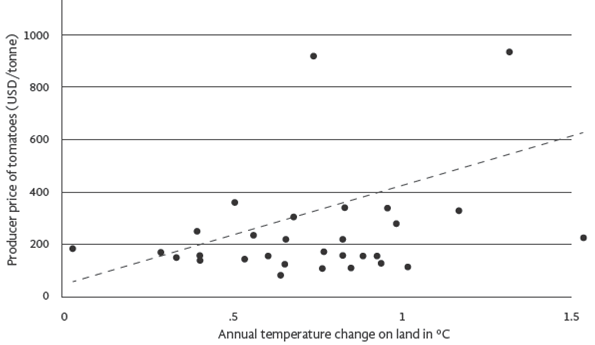
This argument is supported by regression results (Tables 2 and 4), showing that a one °C temperature rise increases fertilizer consumption by nearly 4% (3.58% in panel analysis). Panel data also indicates that a one °C increase can raise maize prices by 42.1%, while pesticide use contributes only 0.431% to price growth.
Part II. Price fluctuations, markets, and loans
This section explores how price fluctuations contribute to the vulnerability of small-scale farmers in Mairana and Samaipata, impacting their livelihoods and prospects alongside environmental risks. The findings suggest that market volatility affects prices, market share participation, and accessibility to loans.
The small actors rely on these financial facilities for their livelihoods, making them vulnerable during market-sensitive periods (Bathfield et al., 2015). The market process involves key actors, including producers, sellers, transporters, and middlemen at Santa Cruz's Abasto market, who set prices after purchasing from farmers. Farmers typically sell their products at either the Abasto market or smaller local markets, often reselling to female vendors. Sales location depends largely on quantity and transportation cost.
Variation in price
The insights gathered from interviews with producers highlight the unpredictable nature of price volatility. When multiple trucks with the same product arrive, farmers struggle to predict their income. Their price frustrations highlight their limited control over pricing. While Florida mainly produces maize, other crops like onions, lettuce, and potatoes also face extreme price volatility in Santa Cruz.
Lettuce prices (Figure 8) show massive, inconsistent shocks, suggesting non-seasonal drivers. National price analysis reveals a positive link between price changes and rural income. Panel and cross-sectional regressions indicate that a 1% maize price increase raises income by 1.766%, while a one-unit rise in agricultural imports lowers prices by 32.8%.
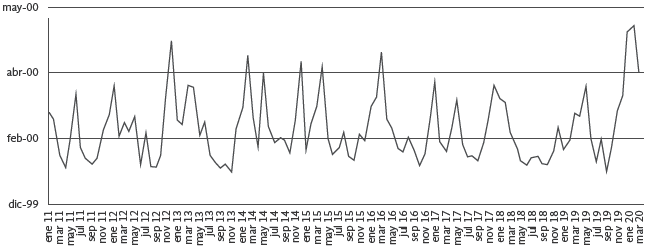
Moreover, an increase in food price inflation (Figure 8; figure 9) leads to a decrease by 1.13% (p-value = 0.05). This top-down pricing and increased competition lead to a potential decrease in farmers' market power and household income insufficiency. To identify patterns in price uncertainty and risk, we analyze time-series data (1984-2020) for corn, tomatoes, and potatoes in Santa Cruz, the region's key market.
Graph 8 indicates an obvious price fluctuation of the three main products: corn prices are highly volatile, peaking at $500/Hm in 1995 and 2010. Potato prices also vary with a significant peak at $300/Hm in 2010, while tomato prices have been less volatile, peaking at $300/Hm in 1995.
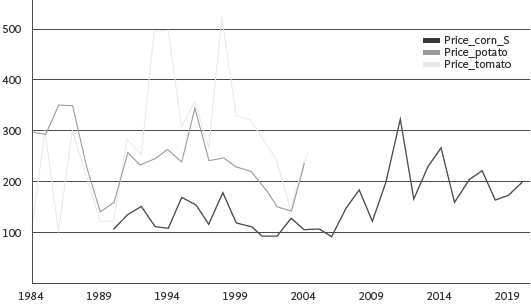
Figure 10 Price variation of corn, tomato, and potato over time, 1984-2022, Santa Cruz, Bolivia. Cámara Agropecuaria del Oriente. (s.f.)
It applies three ARIMA (Figure 11) models based on ACF, PACF, and the AIC test. The Portmanteau test for white noise was 0.440 > 0.05 (Table 3), after the ex-ante forecast, indicating the rationality of the forecasts. According to figure 11, the historical data (solid line) shows significant volatility, with sharp peaks and troughs. The forecast (dashed line) shows fluctuating prices, continuing the volatile pattern observed in the historical data. However, the amplitude of fluctuations appears to be smaller in the forecast compared to the historical data, suggesting that the model expects less extreme price movements in the future. In this way, the results prove the uncertainties of price to which small-scale farmers are subjected.
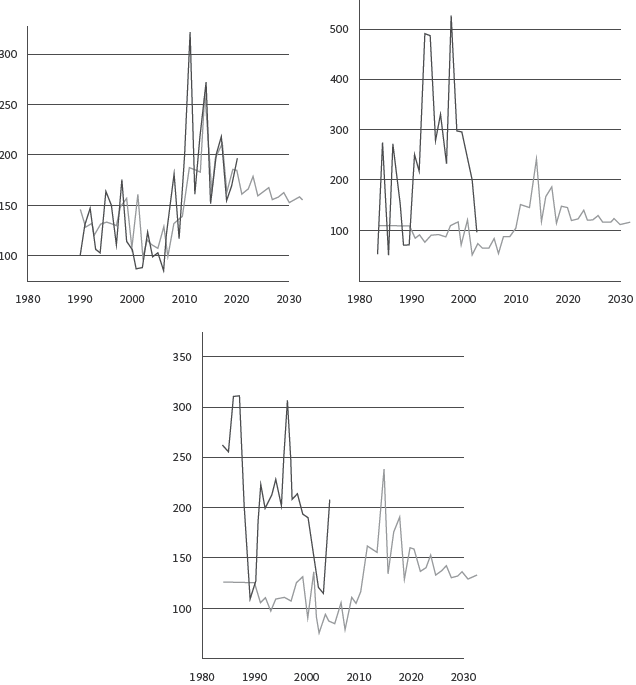
Figure 11 Comparison between actual and predicted price of three main products, 1984-2022, Santa Cruz, Bolivia.

For further analysis, it uses the VAR model to investigate the dynamic relationship between market supply and demand. Taking corn as an example, the past production and price would shape current conditions. Initial price shocks boost production due to profit expectations, but this effect fades over time (see graph below).
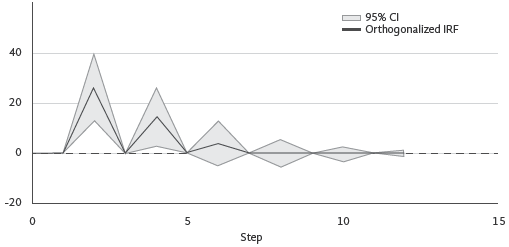
Figure 12 RF results, 1984-2022, Santa Cruz, Bolivia. Cámara Agropecuaria del Oriente. (s.f.), Ministerio de Culturas de Bolivia. (s.f.).
Five-year forecasts show complex interactions with significant uncertainty from unpredictable factors:
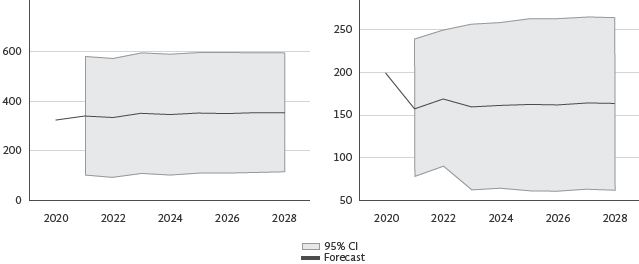
Figure 13 Forecast the result ofthe production and price relationship. Cámara Agropecuaria del Oriente. (s.f.), Ministerio de Culturas de Bolivia. (s.f.).
As small-scale producers cannot produce as much as large-scale ones, it forecasts increased future price challenges for farmers.
This exemplifies a high exposure to price risk with unpredictable variations affecting the profitability of farming for producers. Our interviews echoed similar findings, attributing price oscillations to factors such as severe weather conditions, road blockages, or arbitrary behavior by middlemen. The potential consequence of failing to turn a profit due to price variation poses a threat to producers, with numerous instances recounted of selling goods in Santa Cruz at prices insufficient to cover initial investments.
Female sellers operating in local markets also shared concerns about price fluctuations, complaining about the high prices they pay to suppliers. This pricing discrepancy shifts risk unequally, impacting rural and historically disadvantaged groups, especially peasants and female vendors.
Survey on female sellers
Female sellers at the markets play a crucial role in the commercialization chain of agricultural products, experiencing firsthand the effects of price fluctuations. The survey, therefore, focuses on the market pricing mechanisms, particularly the negotiation process linking farmers and producers, as you can see in Table 4.
Table 4 Frequency and percentage of Basic selling information, Survey Analysis, 2024, Samaipata and Mai-rana, Bolivia
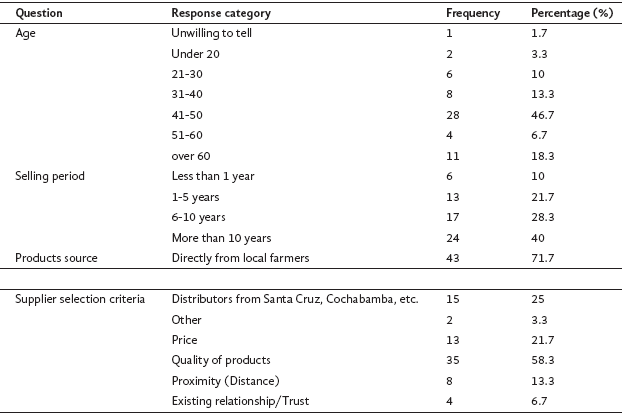
It outlines basic information responses from market sellers. All respondents are female, and the majority are aged 41-50 (46.7%), with a selling period predominantly between 6-10 years (28.3%). They source their products mainly directly from local farmers (71.7%), and prioritize the quality of products (58.3%) when choosing suppliers.
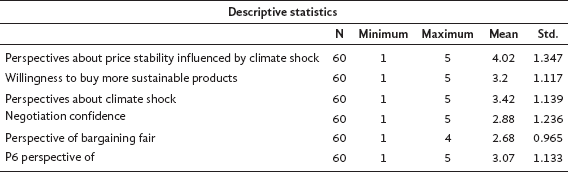
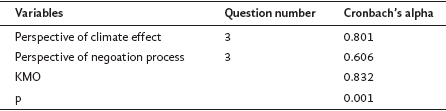
Table 5 illustrates the detailed descriptive analysis for the Likert-scale questions. Table 6 demonstrates stable reliability and validity, with climate effects and negotiation process Alpha values of 0.801 and 0.606, respectively, both above 0.6. The KMO test result is 0.832 > 0.7 with p>0.05, supporting further analysis.
Table 5 Descriptive Statistics oftwo dimensions, Survey Analysis, 2024, Samaipata and Mairana, Bolivia.
To define which factors affect the female sellers' perspectives, we apply the One-way ANOVA test (Tables 7, 8, 9). The homogeneity of variances test yielded p-values greater than 0.05 for all three factors ("Selling Experience", "Source of products", and "Supplier Selection Criteria"). ANOVA results indicate significant differences in climate impact perception based on product sourcing and supplier selection criteria, prompting a multiple comparison analysis using Tukey HSD.
Table 7 Difference of Dimensions in different Selling Experience, 2024, Samaipata and Mairana, Bolivia.
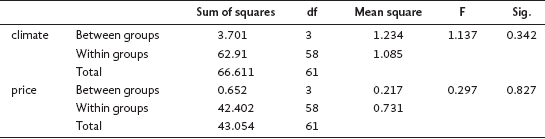
Table 8 Difference of Dimensions in different sources of products, 2024, Samaipata and Mairana, Bolivia
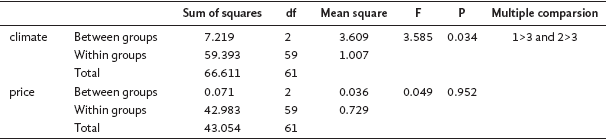
Table 9 Difference of Dimensions in different supplier selection criteria, 2024, Samaipata and Mairana, Bolivia.
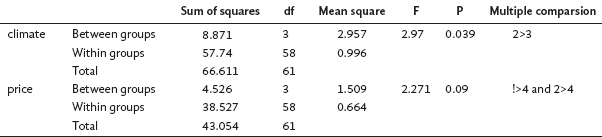
The table shows that sellers sourcing locally express significantly greater concern about climate change's impact on market stability than those purchasing from Santa Cruz (t(58) = 0.895, p < 0.05, d = 0.030) or other regions (t(58) = 0.944, p < 0.05, d = 0.244). Sellers prioritizing quality over producer connections also show higher concern (t(58) = 0.076, p < 0.05, d = 0.020). Additionally, those focused on price (t(58) = 0.090, p < 0.05, d = 0.233) and quality (t(58) = 0.099, p < 0.05, d = 0.225) show greater interest in market price negotiations than those prioritizing proximity.
The results further indicate no significant difference in climate attitudes based on Selling Experience (F = 1.137, MSE = 62.91, r = 0.236, p > 0.05) (Table 8). However, the Source of Products significantly affects climate perception (F = 3.585, MSE = 59.593, r = 0.329, p = 0.034 < 0.05) (Table 9), though price perception remains unchanged across sources. Supplier Selection Criteria also shows significant variation in climate impact concerns (F = 2.957, MSE = 57.74, r = 0.365, p > 0.05) (Table 10), with sellers prioritizing local sourcing or product quality exhibiting greater concern for climate and price negotiations. Given the interplay between supply-demand mechanisms, price fluctuations, and production, the VAR model explores the dynamic relationship between production and price, using corn as an example.
Unit root tests (Table 10) confirm a second-order time lag, with corn price significantly influencing current prices (0.337, p < 0.05), while production has a strong impact (0.0234, p < 0.001). The IRF graph (Figure 12) indicates that price shocks temporarily boost production before stabilizing. The five-year forecast highlights production-price dynamics but underscores high uncertainty due to market volatility driven by weather and supply-demand fluctuations.

Uncertainty and loans
Inadequate compensation for agricultural products places farmers in a precarious position, often leaving them with insufficient resources to sustain their livelihoods. Doña Mariela notes that farmers face tough times, as their agricultural efforts fall short amid widespread uncertainty. Héctor also highlighted the compounding effects of additional workers during harvests. The disparity between farmers' wages and earnings leads to diminished profits to fulfill financial obligations. Javier highlighted that lettuce producers, including himself, earn just 15 bolivianos per large basket, an amount too small to support a living once transportation and agrochemical costs are considered.
Small-scale farmers face economic instability, with rural incomes closely tied to market fluctuations. Cross-sectional and panel regressions (Table 11, p-value = 0.05) show that a 1% rise in the annual price index increases rural income by 2.82%, yet higher agricultural employment reduces household income by 4.23%, highlighting its low profitability.
Table 11 Cross-sectional regressions on the national level, 1984-2022, Bolivia, part 1.World Bank, Humanita rian Data Exchange (s.f.); Afghanaid (s.f.); Instituto Nacional de Estadística de Bolivia (s.f.).
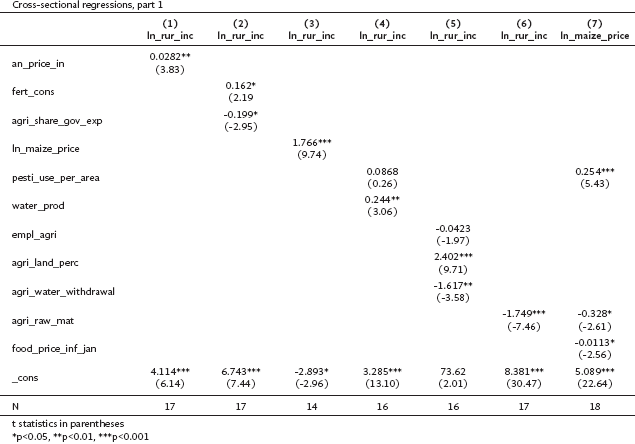
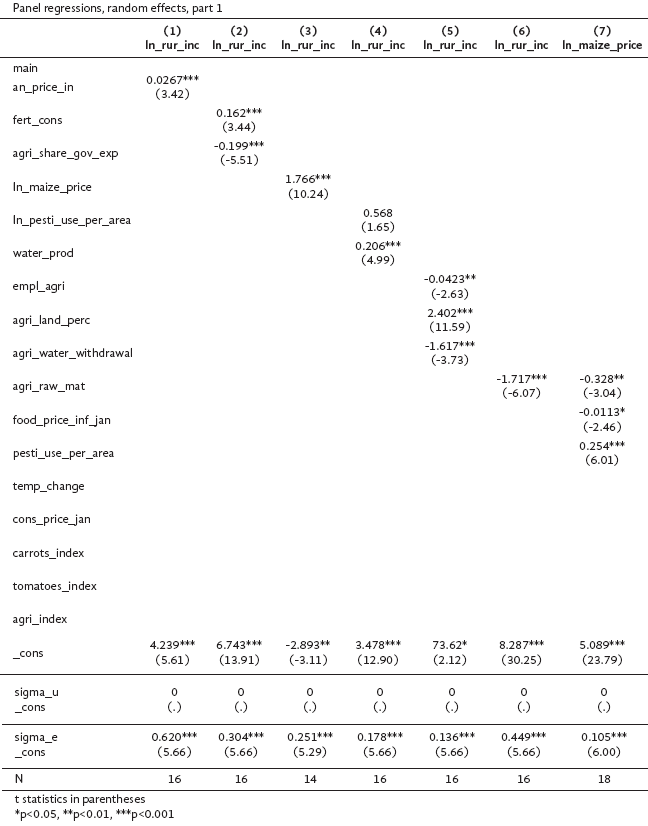
Increased competition also threatens small-scale farmers, as a 1% rise in agricultural imports results in a 174.9% decrease in income (Tables 2, 12). Loans play a crucial role in sustaining agricultural operations, with Banco FIE prioritizing investments in irrigation to mitigate climate risks, such as droughts.
Table 12 Panel regressions, on the national level, Random Effects, 1984-2022, Bolivia, part 1. World Bank, Hu manitarian Data Exchange (s.f.); Afghanaid (s.f.); Instituto Nacional de Estadística de Bolivia (s.f.).
Farmers perceive debt as a heavy responsibility and prioritize timely repayment to maintain financial stability. The AMPUAS (Asociación Municipal de Productores Agroecológicos de Samaipata) representative's initiatives to hasten association consolidation to improve credit access for essential agricultural infrastructure highlight the importance of formal credit access and demonstrate farmers' efforts to reduce climate risk. Yet, concerns about the sustainability of using credit emerge, particularly if high repayment rates strain regular expenses.
Part III. Adaptation strategies to climate and price volatility
Adaptive strategies
Small-scale farmers, facing constant risks from climate, environmental, and market fluctuations, employ adaptive strategies to mitigate these. In line with Wisner et al. (2004) framework within political ecology, the varying vulnerability levels are contingent upon individuals' capacities to offset losses, influenced by forms of human agency and actions affecting these (Wescoat 2015). Cutter and Corendea (2013) divide capacity into 1) coping capacity, which involves resources and opportunities for communities to endure, absorb, and manage hazards, and 2) adaptive capacity, which involves implementing measures aimed at mitigating risk.
In general terms, farmers are using and combining different strategies to face risk. All of the conventional small-scale farmers consulted increasingly utilized agrochemicals as an adaptive response to climate variability and pest infestations. Another adaptive mechanism identified is access to productive loans and credits from local banks.
These credits, intended to reduce drought vulnerability through irrigation systems, require repayment capacity, limiting access for some farmers. Moreover, loans often also require collateral, such as posting the land as a guarantee, something Javier's family has also done, which can detrimentally enhance vulnerabilities if harvests fail.
Due to the combined effects of agrochemical usage, monoculture farming practices, and climate change, numerous farmers have witnessed soil degradation, exacerbating their susceptibility to droughts. As highlighted by Juan, an agrochemical vendor and large-scale farmer, many small-scale farmers apply pesticides in excessive doses in a misguided attempt to safeguard their crops. This excessive use of agrochemicals reflects a clear interconnection between price risk and environmental risk, and how they are reinforcing each other.
Another strategy adopted is the use of seasonal crop rotation practices, along with the incorporation of natural fertilizers, to maintain soil fertility and nutrition. Some farmers also have animals that are fed with excessive or unsold production to prevent losses. Farmers stated that such adaptive measures play a crucial role in mitigating losses and averting disasters.
Facing hardships: "Hay que seguir"
Small-scale farmers' adaptive strategies encompass both environmental and social dimensions, highlighting a constant interplay between vulnerability, power, and agency (Faas, 2016). Many informants emphasized resilience, viewing perseverance as essential for survival amid economic and material hardships. As the Director of Product Development in Samaipata noted, "It is hard to resist, but farmers usually do." Similarly, Elvira stated, "We have to keep going," and Esteban, facing persistent challenges, expressed resignation: "What can I do? [...] You have to keep moving forward." For many, farming remains their only viable means of livelihood, despite financial struggles.
However, adaptation is becoming increasingly difficult for small-scale farmers due to the rising costs of materials. Relying on the same strategies increases their vulnerability, making it harder to afford improved methods. Many see loans as a solution but struggle with repayment, often feeling they are "working for the bank" rather than saving. While farmers actively manage risks, their ability to cope and adapt is shrinking, reducing their agency and action.
This report examines farmers' awareness of economic and environmental conditions, their risk perceptions, and their ability to meet output goals. Adaptation varies based on strategies, exposure, sensitivity, and willingness to respond. Proper assessment clarifies whether risks are imminent or potential, with studies showing a positive link between market access and adaptive capacity.
This process is a result of increased involvement in input and output markets, and with growing demand, employment security. In this case, fully disconnected from the change of climate, which is what highly impacts food prices and consequently farmers' salaries (Skjeflo, 2013).
Discussion
Our findings align with previous research indicating that extreme climate variations significantly impact agricultural yields in Bolivia (Daga, 2020; Skendžić et al., 2021). As shown in figure 1 and 2, drought frequency is increasing, while frost days are steadily decreasing (Figure 14), reflecting broader climate shifts. These changes pose substantial risks for small-scale farmers, particularly regarding crop viability and water management, as highlighted by the warming trends in figure 4.
Furthermore, interviews revealed a growing dependence on pesticides due to the increasing prevalence of pests, reinforcing Skendžić et al. (2021), who found that rising temperatures contribute to insect survival, invasive species, and disease spread. This exposure to plant pests not only threatens yields but also exacerbates farmers' overall vulnerability, compounding the effects of climate change. Consequently, the intersection of extreme weather events and pest infestations underscores the challenges small-scale farmers face in maintaining agricultural productivity while adapting to evolving environmental conditions.
Unlike Tanzanian studies, where wealthier farmers are more likely to use fertilizers (Heisse & Morimoto, 2023), our interviewees all reported resorting to pesticides as a last measure. Unequal resource access shapes farmers' vulnerability to climate risks: while large-scale farms remain profitable with agrochemicals, small-scale farmers face greater uncertainty. As Turner et al. (2003) highlight, climate vulnerability intersects with poverty, inequality, and institutional services (Eisenack et al., 2014). Poorer farmers, with limited assets, are more susceptible to poverty traps from climate shocks (Heltberg et al., 2009), reinforcing the need to consider economic constraints in adaptation strategies (Rahman & Hickey, 2020).
Qualitative observations further reveal the pressure to counter inefficiencies, pushing farmers toward increased agrochemical reliance. These findings emphasize the challenges small-scale farmers face, where climate change and market constraints limit their ability to adapt effectively. Moving beyond a hazard-focused perspective, we examine the unequal distribution of risks (Faas, 2016), shifting from mitigation-centered policies to addressing the root causes of vulnerability (Oliver-Smith, 2013; Faas, 2016). Inadequate compensation for agricultural products leaves small-scale farmers financially unstable, struggling to sustain their livelihoods.
Economic vulnerability is evident in market fluctuations affecting rural incomes, with cross-sectional and panel regressions highlighting their impact. Farmers like Doña Mariela and Héctor expressed concerns over financial instability, worsened by additional labor costs during harvests. Javier noted that lettuce producers earn only 15 bolivianos per basket, insufficient to cover transportation and agrochemical expenses. These financial constraints further limit farmers' ability to adapt, reinforcing cycles of poverty and economic insecurity.
Farmers increasingly rely on agrochemicals and loans to counter climate variability and pests. While these strategies offer short-term relief, rising costs make them less sustainable. Many interviewees emphasized resilience, seeing perseverance as essential for survival amid economic hardship. However, adaptation is becoming more challenging as reliance on costly inputs exacerbates vulnerabilities. The growing integration into input and output markets ties agricultural sustainability to market fluctuations. As Skjeflo (2013) notes, climate change and market shifts directly impact food prices and farmers' incomes. Limited bargaining power over product pricing further constrains financial stability. While agrochemicals and credit are crucial mitigation strategies, escalating costs and price volatility highlight the fragility of current adaptation mechanisms.
Conclusion
This study highlights how climate change and market fluctuations act as dual pressures on Bolivian small-scale farmers, amplifying their vulnerability and reliance on costly, short-term coping strategies such as pesticide use and credit. This analysis confirms a direct link between climate variability, pest proliferation, and the increasing financial burden of agrochemicals, reinforcing cycles of economic insecurity.
The study is limited by its qualitative sample size, which may not fully capture regional variability across Bolivia. Reliance on self-reported interviews introduces potential bias in farmers' perceptions of risk and adaptation strategies, and the integration of ARIMA forecasts is illustrative but requires further validation with longer time-series data.
Its recommended to strengthen institutional support by improving farmers' access to affordable credit, subsidies, and crop insurance schemes, develop targeted extension services focusing on sustainable pest management practices and climate-resilient crops, enhance market regulation to stabilize pricing and improve farmers' bargaining power, reducing reliance on intermediaries and promote collective action through cooperatives, enabling smallholders to share resources and negotiate better terms in input and output markets.
Understanding farmers' vulnerabilities, risk perceptions, and adaptation strategies is crucial for designing long-term resilience policies. By acknowledging the intersection of environmental and economic stressors, policymakers can move beyond hazard-centered approaches toward addressing structural inequalities that shape vulnerability. Supporting small-scale farmers in Bolivia is not only essential for safeguarding livelihoods but also for ensuring national food security in the face of accelerating climate change.

